43 chemistry of baking cookies
› recipes › chocolate-chipChocolate Chip Cookies | King Arthur Baking Preheat the oven to 375°F. Lightly grease (or line with parchment) two baking sheets. In a large bowl, combine the sugars, butter, shortening, salt, vanilla and almond extracts, vinegar, and baking soda, beating until smooth and creamy. › chemistry-baking-cookies-4140220The Chemistry of Baking Cookies - ThoughtCo Jan 25, 2019 · Chemistry After Baking . If the cookies aren't devoured immediately, the chemistry doesn't end with baking. The humidity of the surroundings affects cookies after they have cooled. If the air is very dry, moisture from the cookies escapes, making them hard. In a humid environment, cookies can absorb water vapor, making them soft. After cookies ...
The Chemistry of Cookies - Ingredients The Chemistry of Cookies. Ingredients Instructions Chemical Process Nutritional Properties Thermochemistry Energy Extra Chocolate Chip Cookies ... 2 1/4 cups all- purpose flour (C4H8O4) 1 teaspoon baking soda (NaHCO 3) 1 teaspoon salt (NaCl) 1 cup (2 sticks) butter, softened (C9H14O6) 3/4 cup granulated sugar (C12H22O11) 3/4 cup ...

Chemistry of baking cookies
Cookie-Baking Chemistry: How To Engineer Your Perfect Sweet Treat The rise: At about 212 degrees Fahrenheit, the water in the dough turns into steam. The cookie starts to rise as the vapors push through the dough. Eventually, the baking soda or powder starts to ... The chemistry of cookies - Stephanie Warren | TED-Ed You stick cookie dough into an oven, and magically, you get a plate of warm, gooey cookies. Except it's not magic; it's science. Stephanie Warren explains via basic chemistry principles how the dough spreads out, at what temperature we can kill salmonella, and why that intoxicating smell wafting from your oven indicates that the cookies are ready for eating. › blog › baking-101How to Make Chewy Cookies - Bob's Red Mill Blog May 01, 2018 · What this all boils down to, dear reader, is cookie chemistry. Cookie chemistry can be summed up by determining what your interactions are (or will be) with flour, salt, and granulated sugar, as well as your planned baking times and temperatures. Sometimes you can use the exact same recipe, yet vary the cooking technique or the preparation ...
Chemistry of baking cookies. The chemistry of baking cookies by Mary Perez When sodium bicarbonat heats up, it causes a chemical reaction: 2NaHCO3 Na2CO3 + H2O + CO2. The CO2 gas that's formed makes the "bubbles" in the cookies. NaCl keeps the bubbles from getting too big by slowing the production of CO2. The fat keeps the flour from forming an overly extensive network of gluten, giving the cookie a lighter texture. Chemistry of Baking Cookies - Chemistry of Baking Cookies... Baking Soda vs. Baking Powder Cont. With Baking soda the reaction occurs as soon as the dough is mixed That's why it is important to put the cookies into the oven as the cookie dough is ready If you wait to long there is a good chance that the cookies will fall flat. With baking powder Single-acting reacts immediately Double-acting powder reacts in two steps First some of the gas is released ... amyshealthybaking.com › blog › 2014/11/30The Ultimate Healthy Soft & Chewy Oatmeal Raisin Cookies Nov 30, 2014 · Whereas traditional recipes usually call for a full stick (or more!) of butter, you just need 2 tablespoons of coconut or oil butter.That really helps keep your ultimate healthy oatmeal raisin cookies low calorie and low fat, and if you use coconut oil, they’re also dairy-free! › watchThe chemistry of cookies - Stephanie Warren - YouTube View full lesson: stick cookie dough into an oven, and magically, you get a plate of w...
The fundamental chemistry of baking cookies | 2020-04-10 | Snack Food ... Sodium bicarbonate, or baking soda, is usually in the formula and is considered as part of the leavening system. Fundamental chemistry occurs when adding baking soda to the mixer. The sodium bicarbonate neutralizes the acidic ingredients (including high-fructose corn syrup, buttermilk, some flavors, etc.) producing carbon dioxide gas for cell ... What happens when you bake a cookie? | The Chemistry of Cooking Eventually all the water evaporates leaving behind empty holes and a deflated cookie. The baking soda reacts with acids in the dough to create carbon dioxide and puff the cookie back up again by making air pockets. The last reaction is carmelization, sugars break down and release nutty, slightly bitter, and well caramel flavors. Stephanie Warren: The chemistry of cookies | TED Talk You stick cookie dough into an oven, and magically, you get a plate of warm, gooey cookies. Except it's not magic; it's science. Stephanie Warren explains via basic chemistry principles how the dough spreads out, at what temperature we can kill salmonella, and why that intoxicating smell wafting from your oven indicates that the cookies are ready for eating. The chemistry of baking cookies | The Bakery Network The Chemistry of Baking Cookies - Stephanie Warren. Stephanie Warren explains via basic chemistry principles how the dough spreads out, at what temperature we can kill salmonella, and why that intoxicating smell wafting from your oven indicates that the cookies are ready for eating. Basic Cookie Recipe: 1 cup butter 2 cups flour 2 eggs 1 cup sugar
The Chemistry of Baking - News-Medical.net Chemistry Based Improvements on Baking Methodologies. Baking itself requires a substantial amount of energy to perform, and some labs have been exploring more conservative mechanisms. In fact, approximately a third of all energy provided by a traditional oven goes into the dry heat cooking process, while two-thirds dissipate into the ... › 14 › cookie-chemistry-2Cookie chemistry | King Arthur Baking Mar 14, 2016 · 3. Bake the cookies for 14 minutes in a preheated 325°F oven. Cookie chemistry: We're taking a 180° turn from our crunchy cookies, substituting higher-moisture brown sugar and butter for their lower-moisture counterparts: granulated sugar and vegetable shortening. That, plus a shortened baking time, yields a cookie that's soft and chewy all ... CHEMISTRY BEHIND BAKING COOKIES RECIPES All You Need is Food - Stevehacks Mar 07, 2019 · Heat oven to 350°F. In large bowl, beat butter and sugars on medium speed of electric mixer until creamy. Add eggs and vanilla; beat well. Add combined flour, baking soda, cinnamon and salt; mix well. Add oats and raisins; mix well. Drop dough by rounded Tablespoonfuls onto ungreased cookie sheets. ... Chemistry in Cookies - ScienceHolic When the cookie dough reaches this temperature in the oven, the water inside will turn into steam and the cookie will therefore start to rise as vapors push through the dough. The baking soda and other powders will break down into carbon dioxide gas (CO2), which pushes the cookie to expand upward even more.
The Chemistry of Cookies | Foodiggity
Chemical Process - The Chemistry of Cookies The Chemistry of Cookies. Ingredients Instructions Chemical Process Nutritional Properties ... as well as some dairy products. As the butter melts, the trapped water is released and as the cookie gets hotter, the water expands into steam and pushes against the dough from the inside. ... Sodium bicarbonate (NaHCO3), or baking soda is the ...
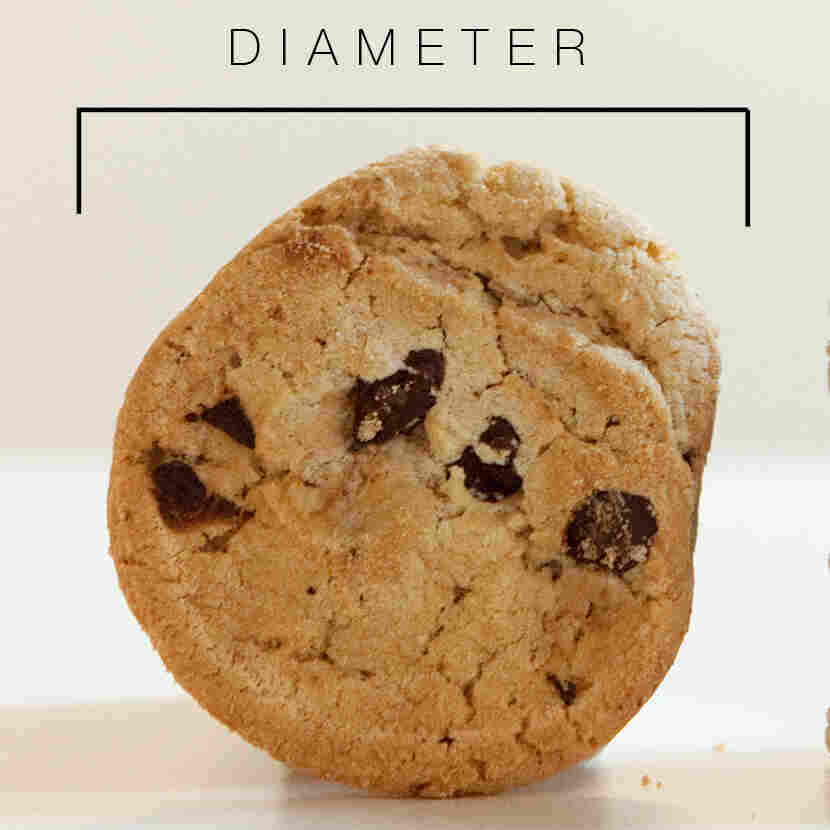
The Science Behind Baking Your Ideal Chocolate Chip Cookie : The Salt : NPR
The Chemistry of Baking Cookies.pdf - Course Hero • Scooping and baking use a tablespoon of cookie dough batter and place each cookie about two inches apart from one another. Ice cream scoops are the perfect tool for a really nice rounded shape. Depending on the variation of soft, crispy or cakey texture it will take anywhere from 8-15 min in a 350 degree heated oven.
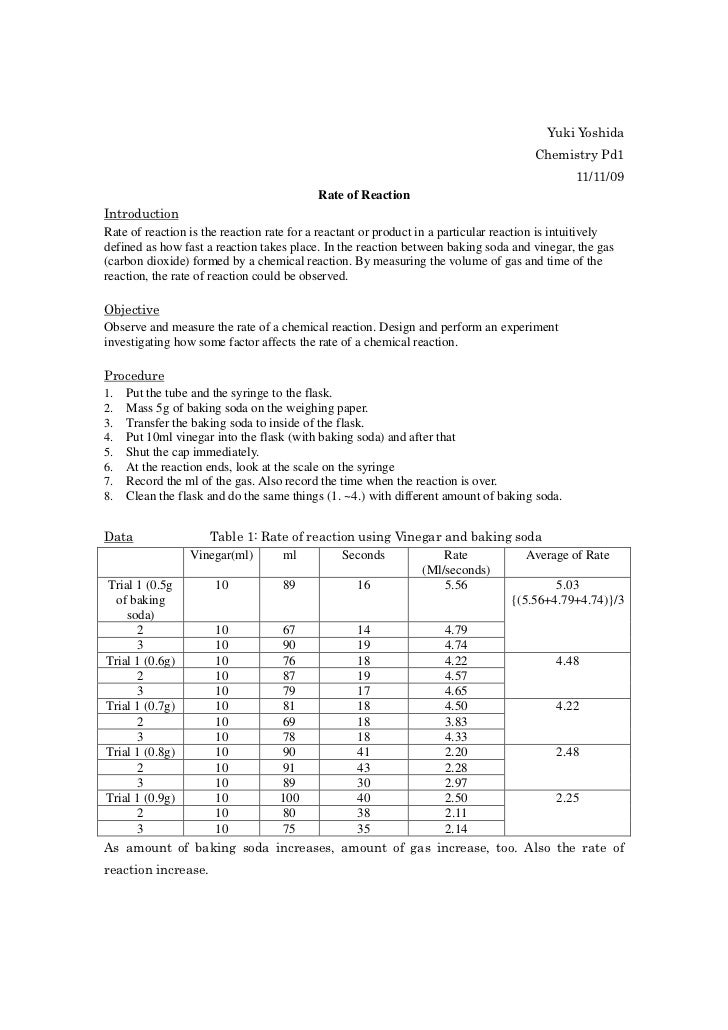
Data table
DOCX Home - Lakewood City School District The Chemistry of Baking Cookies. Preheat oven to 375 degrees. Mix sugar, brown sugar, butter and egg in a large bowl. Only physical changes. Stir in flour, baking soda, and salt. You add flour late in the process so that you won't "work" the dough for too long, keeping the gluten complexes small.
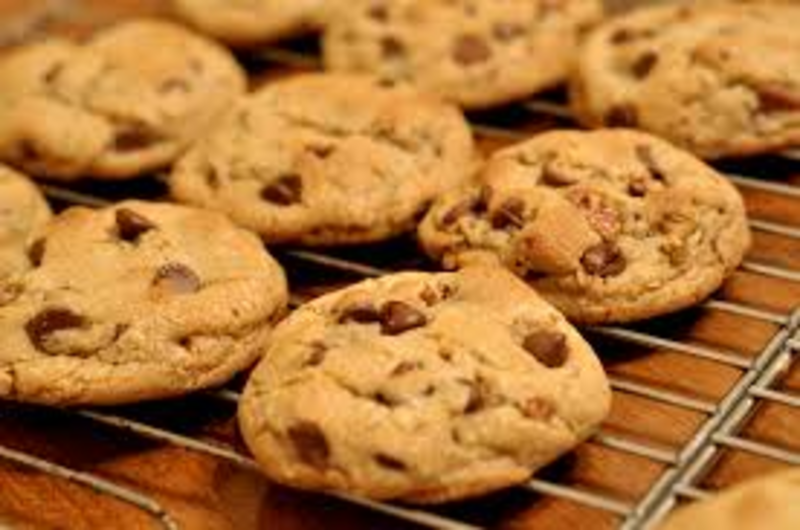
Lesson Cookie Chemistry | BetterLesson
- The Chemistry of Chocolate Chip Cookies the chemistry behind baking soda is that it has chemical reactions with brown sugar, cocoa, and chocolate (in chocolate chip cookies) there are more but that is just in chocolate chip cookies. Baking soda is also man made in the way that we use it (baking cookies and other goodies). Combines proteins with the sugar.

A Bit about the Science Behind Baking – Edible Crafts
› baking-soda-and-baking-powderDifference Between Baking Powder and Baking Soda - ThoughtCo Aug 11, 2021 · Baking Soda . Baking soda is pure sodium bicarbonate. When baking soda is combined with moisture and an acidic ingredient—such as yogurt, chocolate, buttermilk, or honey—the resulting chemical reaction produces bubbles of carbon dioxide that expand under oven temperatures, causing baked goods to expand or rise.

Baking cookies - What happens in the oven - Food Crumbles
Baking and Chemistry - American Chemical Society Baking and Chemistry. Learning chemistry can be as easy as pie, or maybe just a piece of cake. Explore the chemistry of baking cookies, bread, pie, and cake, and investigate the science that's behind ingredients in your cupboard. It's a cookbook! It's a chemistry book!
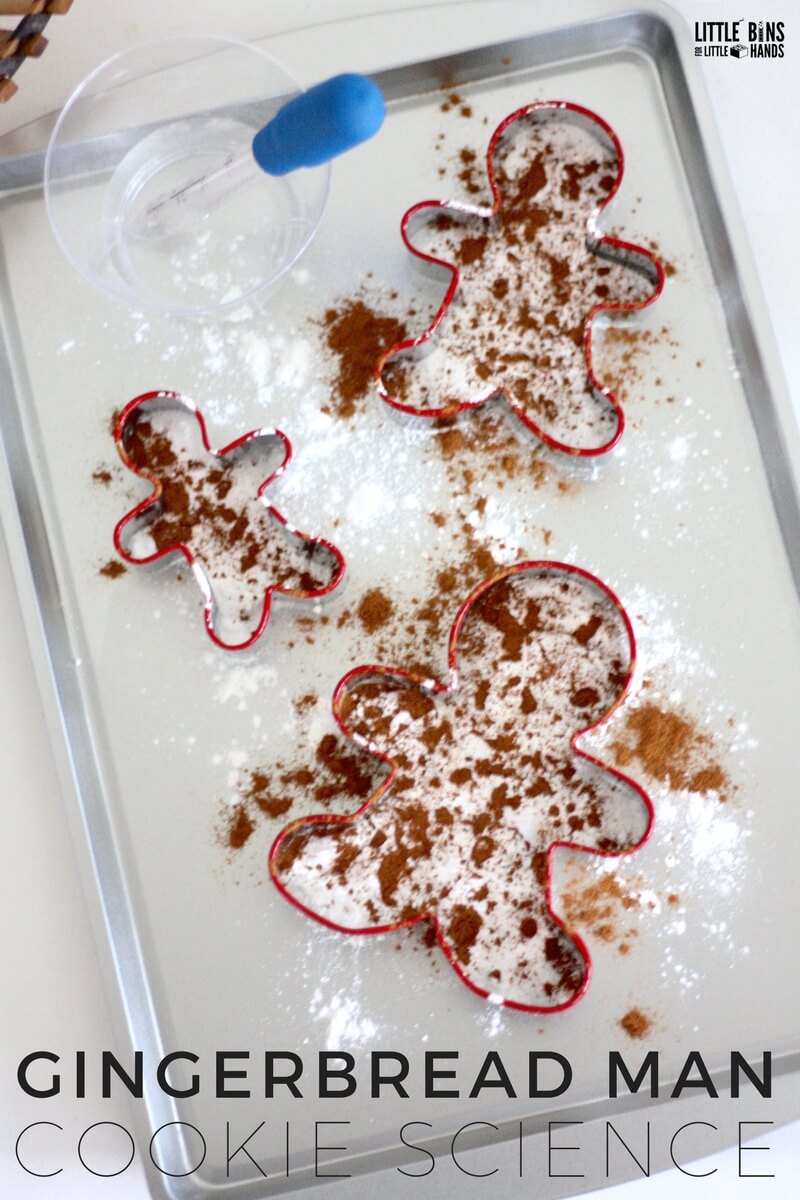
Gingerbread Man Chemistry Activity and Cookie Science Experiment
› blog › baking-101How to Make Chewy Cookies - Bob's Red Mill Blog May 01, 2018 · What this all boils down to, dear reader, is cookie chemistry. Cookie chemistry can be summed up by determining what your interactions are (or will be) with flour, salt, and granulated sugar, as well as your planned baking times and temperatures. Sometimes you can use the exact same recipe, yet vary the cooking technique or the preparation ...
The chemistry of cookies - Stephanie Warren - YouTube
The chemistry of cookies - Stephanie Warren | TED-Ed You stick cookie dough into an oven, and magically, you get a plate of warm, gooey cookies. Except it's not magic; it's science. Stephanie Warren explains via basic chemistry principles how the dough spreads out, at what temperature we can kill salmonella, and why that intoxicating smell wafting from your oven indicates that the cookies are ready for eating.

Chemistry Secrets: Incredible Things You Can Do With Aspirin!
Cookie-Baking Chemistry: How To Engineer Your Perfect Sweet Treat The rise: At about 212 degrees Fahrenheit, the water in the dough turns into steam. The cookie starts to rise as the vapors push through the dough. Eventually, the baking soda or powder starts to ...

Cookie Chemistry – Ultimate Guide to Best Cookies | Baking Cookies
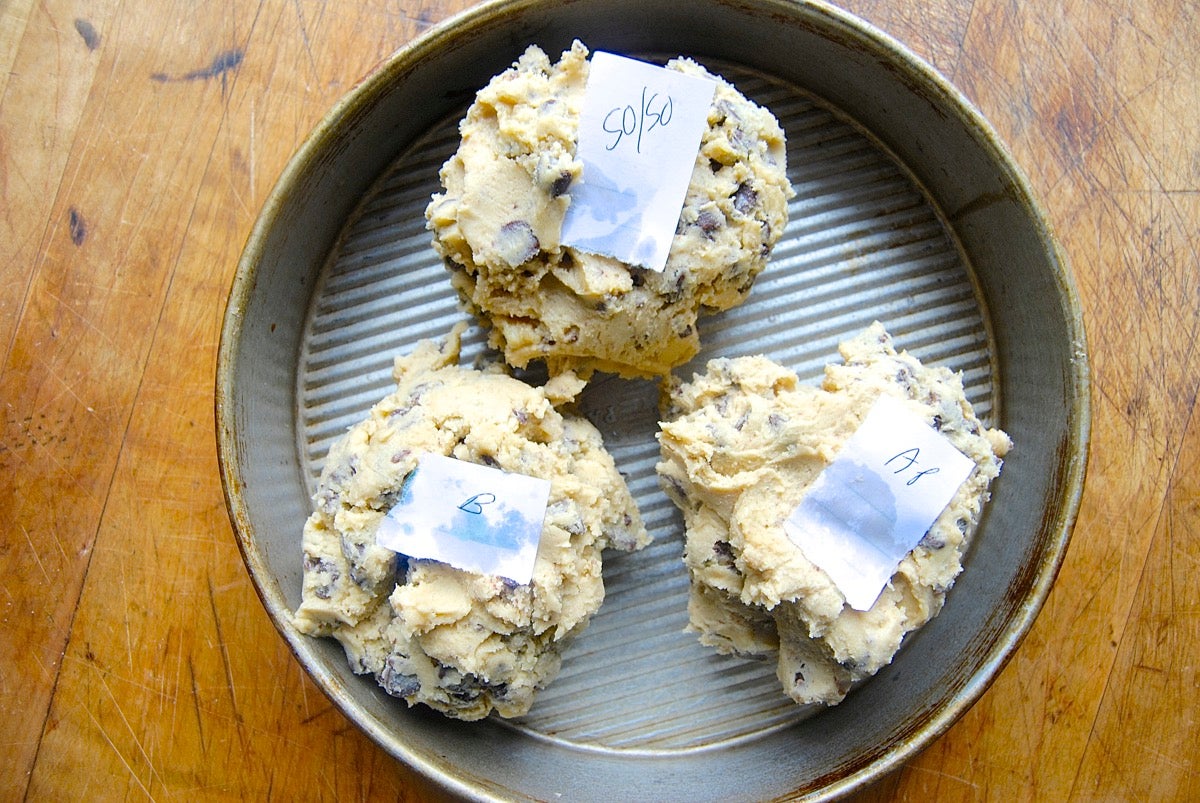
Cookie chemistry | King Arthur Baking

Cookie Chemistry – Ultimate Guide to Best Cookies | Baking Cookies
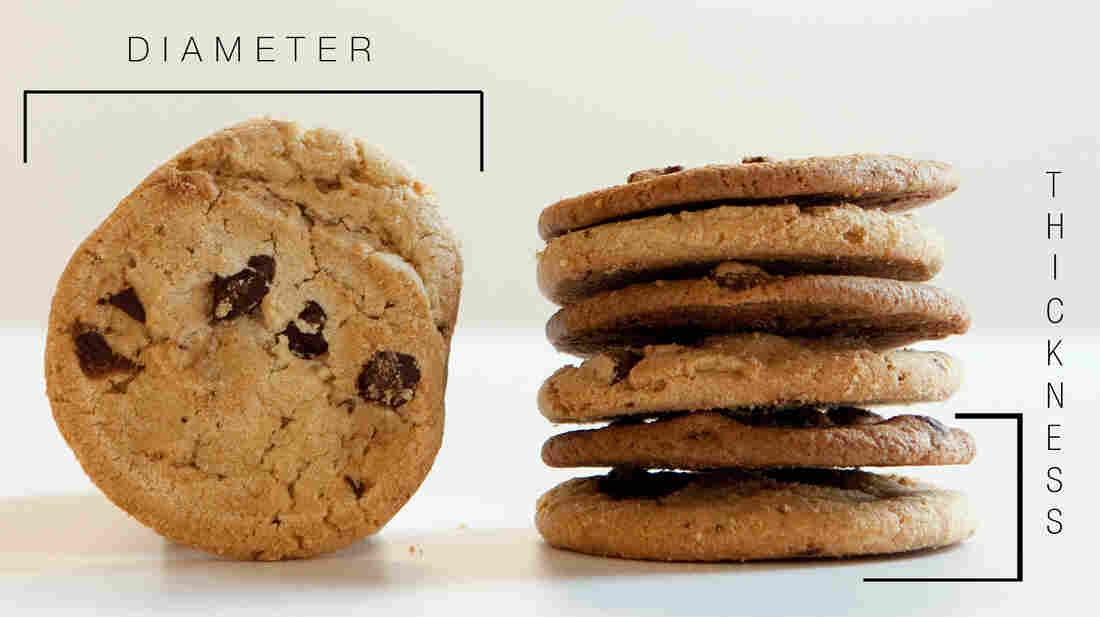
Cookie-Baking Chemistry: How To Engineer Your Perfect Sweet Treat : The ...
Chemistry Hacks for Health: The Truth about Bone Broth & What Kind to Use
:max_bytes(150000):strip_icc()/GettyImages-748491805-5bd0924646e0fb00518f5a1b.jpg)
Using Ammonium Carbonate in German Baking

Linzer Torte Cookies - StoneGable
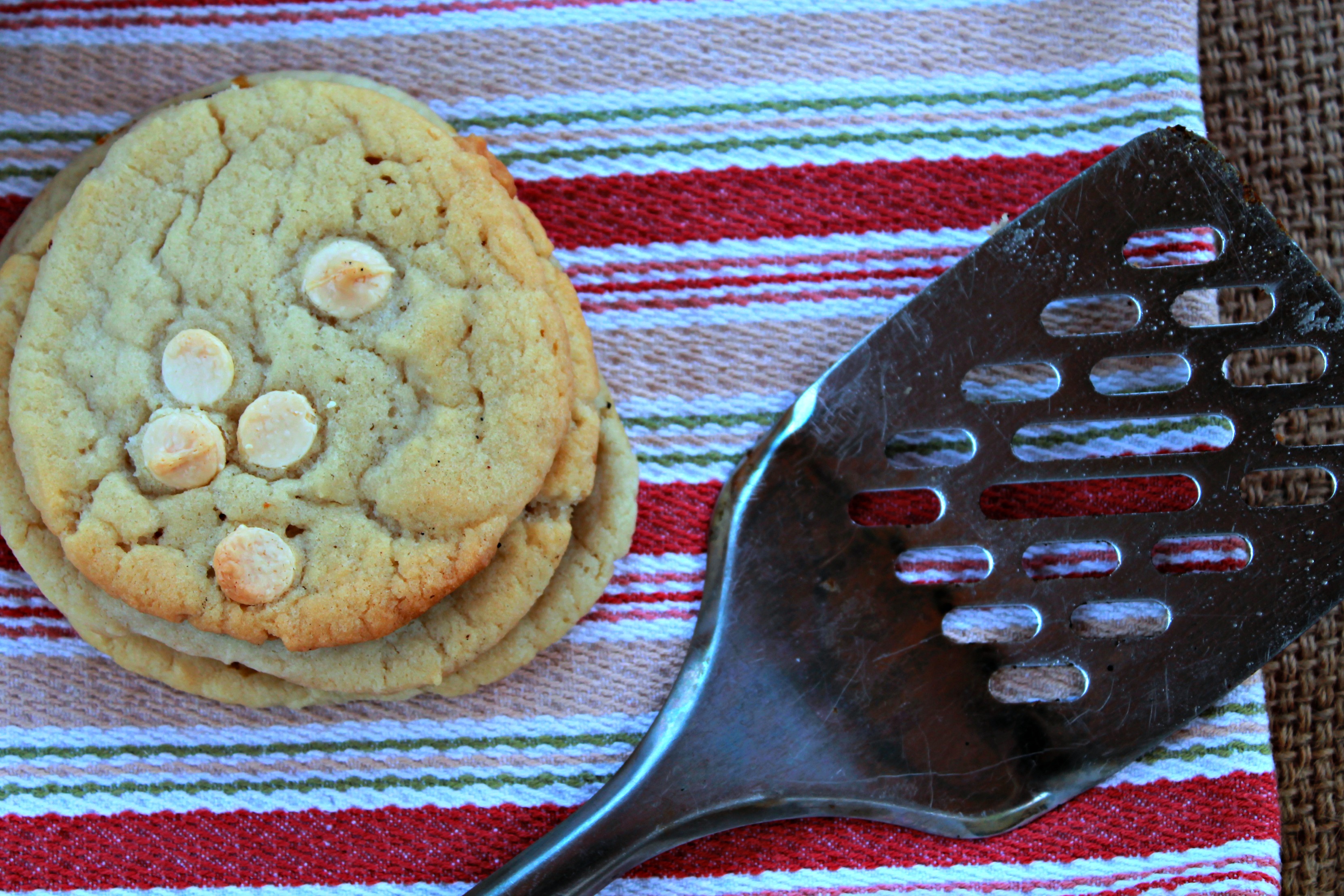
Chemical Cookies Recipe: (Sugar Cookies) Science Fun for Kids – Simply ...

The Chemistry of Cookies | Foodiggity.com | Baking science, Family and ...
0 Response to "43 chemistry of baking cookies"
Post a Comment