39 grassland biome plant adaptations
Grassland Biome - National Geographic Society Frequent fires also play a role in maintaining grassland ecosystems. Grasses are well adapted to grow back after a fire. Grassland animals are also prepared for fires, fleeing or burrowing underground to wait out the flames. Large animals, such as African elephants, can also trample the ground and discourage the growth of trees. Animal Adaptations for Temperate Grasslands - Nature ... Plants have numerous adaptations to outlive the Grasslands Biome. The plants have deep, distributing root systems that permit them strength and moisture during occasions of drought. The majority of the plants have lengthy narrow leaves that don't need just as much water. The grasses grow in the bottom and also be near to the ground.
Adaptations - Grassland Biome Many animals have adapted to the grasslands. Adaptations means they have certain features on their body and in their behavior to help them survive in the wild. For instance, mule deer have wide teeth and strong digestive systems because of all the grasses they eat. Their long legs are well suited for running from predators on the open prarie.

Grassland biome plant adaptations
Grassland Animals And Plants Adaptations Grassland plant adaptations include deep roots, narrow leaves and brightly colored flowers. Many grassland animals have skin shades of brown, which makes them hard to spot among the dry, brown grass. Temperatures vary with seasons with tornadoes, blizzards, and fires occurring in many temperate grassland regions. Plant Adaptations: Desert, Tropical Rainforest, Tundra ... A biome is a large area characterized by its vegetation, soil, climate, and wildlife. There are five major types of biomes: aquatic, grassland, forest, desert, and tundra, though some of these biomes can be further divided into more specific categories, such as freshwater, marine, savanna, tropical rainforest, temperate rainforest, and taiga. freshwater biome plants and adaptations - Useful Gardening ... Wetland Plant Adaptations. Figure 1. Saltmarsh cordgrass. Wetland plants live a tough life. They are often under water for significant periods of time, meaning that they are frequently deprived of oxygen. Wetland plants also need to remain stable in the soil if they deal with fast moving water that ebbs and flows. More › 76 People Used More Info ››
Grassland biome plant adaptations. PDF Grassland Biomes & Adaptations Grass adaptations • Grasses have high phenotypic plasticity (morphology and physiology) • Grow fast when moisture is available • Huge root systems allow rapid and efficient water and nutrient uptake •Use stored starch (in roots) to recover fidht 10/26/09 24 from grazing or drought • Water use efficiency can be high, allowing drought tolerance 13 How do plants and animals adapt to the grasslands? Grassland plant adaptations include deep roots, narrow leaves and brightly colored flowers. Grassland plants, particularly grasses themselves, grow from the base of the plant rather than the tips. This enables them to survive the fires that commonly occur in the dry, hot climate of grasslands. Structural Adaptations - Grassland Biome Comparatively Hyenas, lions, and tigers generate around 1,000 psi (4,450 newtons) of force. Rhinoceroses have an adaptation of thick skin to prevent the sharp and spiked grassland from tearing at their skin. This skin also acts as the first line of defence from disease and sickness, acting to ensure the survival of the species. Grassland Animal Adaptations - Video & Lesson Transcript ... The animals that live in each of these grasslands must adapt in order to survive in their particular environment, waging a daily battle against the elements, resources, predators, and rivals....
Grassland Plant Adaptations Lesson for Kids - Video ... The first opponent grassland plants face is the weather. Since grasslands don't get a lot of rain, many of them have long, narrow leaves that don't need very much water. Also, to get to the water... What Are Some Grassland Plant Adaptations? One grassland plant adaptation is deep roots, which can extend more than 11 feet into the ground. These enable the plant to find moisture during droughts and to survive fires. The plants also have secondary roots that hold the soil together, decreasing erosion from wind or rain. Grassland plants have thin, narrow leaves, another adaptation. Grassland - Biomes Grassland biomes are large, rolling terrains of grasses, flowers and herbs. The average annual precipitation is great enough to support grasses, and in some areas a few trees. The precipitation is so eratic that drought and fire prevent large forests from growing. The soil of most grasslands is also too thin and dry for trees to survive. Plants of the Grassland - Ask a Biologist Grassland plants have evolved so that as long as their roots survive, they can grow back after a fire very quickly. Trees and other plants not adapted to fire cannot grow back quickly, if they even survive. As a result, fire helps keep the grasslands from being overgrown by bushes and trees and turning into a forest. Grazed to the Ground
Special Adaptations - Temperate Grassland Biome Thanks to adaptations many types of plants and animals can be found in temperate grasslands. Their adaptations make them unique, so they can survive what is thrown their way. Most plants in the grasslands have very long roots. In case of a fire, when the top of the plant gets burnt to the ground, the root stay alive. Biotic plant adaptations - Temperate grasslands are a ... Another adaptation would be its ability to get water and nutrients from another area due to its roots. The Queen Anne's Lace also is called wild carrot adapted to the dry summers in the temperate grassland, ditches, and open areas. The leaves of this plant are toxic and can harm human skin by irritating its skin. Which should keep us humans away. Physiological Adaptation - Grassland Biome Grassland Biome. Introduction Abiotic Factors Biotic Factors Temperate Grasslands Structural Adaptations ... This adaptation of the plant discourages animals from eating it and therefore ensures its survival. Larkspur is a perennial plant is found on upland prairie ecological sites . All parts of the plant, especially the leaves, are poisonous . PLANTS ADAPTATION - Plants - Temperate Grasslands It can be propagated by seed, and self sows. It is known for being moderately hardy and will survive temperatures down to -7 degrees celsius. Therefore, will survive all year long, which is why it is a perennial. Sunflower Sunflowers Sunflowers are also one of the type of flowers that, can be found in temperate grasslands.
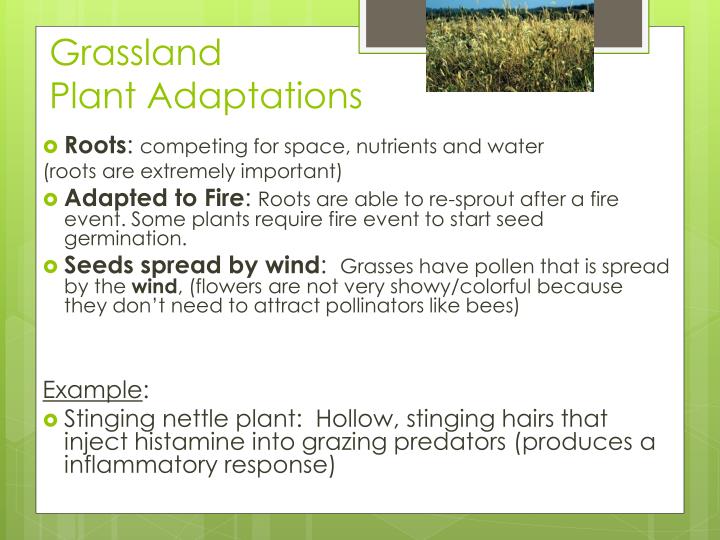
PPT - Biome Adaptations & Niches PowerPoint Presentation - ID:2655272
Grassland Adaptations for Plants and Animals | Types of ... Grassland can exist in habitats that are frequently disturbed by grazing or fire, as such disturbance prevents the intrusion of wooden species. It is also observed that there is an increased richness in grasslands of low fertility such as calcareous grasslands and serpentine barriers. This may inhibit the growth of forest and shrub species.
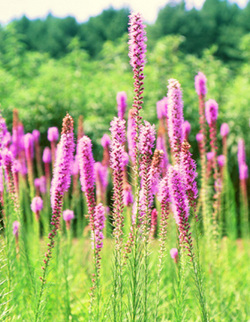
Flora - Temperate Grassland
PDF Plant Adaptations - Think Trees Plant Adaptations in Water underwater leaves and stems are flexible to move with water currents some plants have air spaces in their stems to help hold the plant up in the water submerged plants lack strong water transport system (in stems); instead water, nutrients, and dissolved gases are absorbed through the leaves directly from the water.
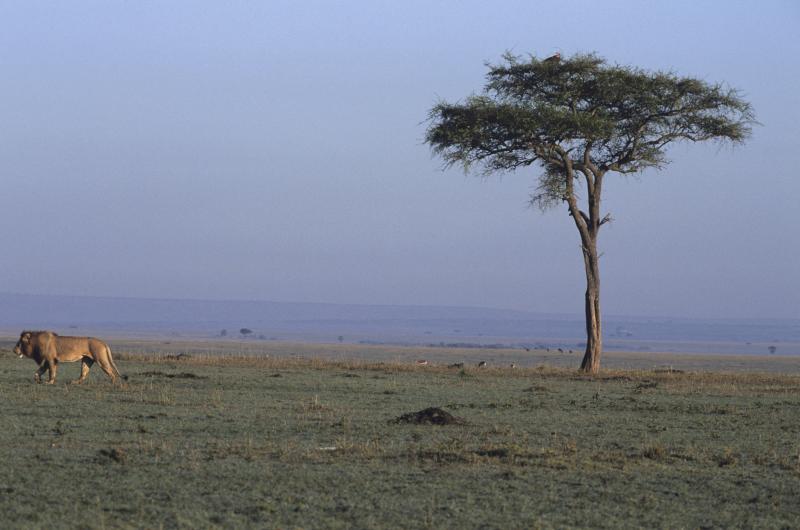
What Are Abiotic Factors of the Grassland Biome? | Sciencing
How do plants survive in the grasslands? - AskingLot.com Plants have many adaptations to survive the Grasslands Biome. The plants have deep, spreading root systems that allow them strength and moisture during times of drought. Most of the plants have long narrow leaves that don't need as much water. The grasses grow from the bottom and grow close to the ground. Click to see full answer.

Homeschooling Just Next Door: Exploring Biomes - Grasslands
PDF Plant Adaptations in the Grasslands Biome Plants have many adaptations to survive the Grasslands Biome. The plants have deep, spreading root systems that allow them strength and moisture during times of drought. Most of the plants have long narrow leaves that don't need as much water. The grasses grow from the bottom and grow close to the ground. They have strong roots which means they
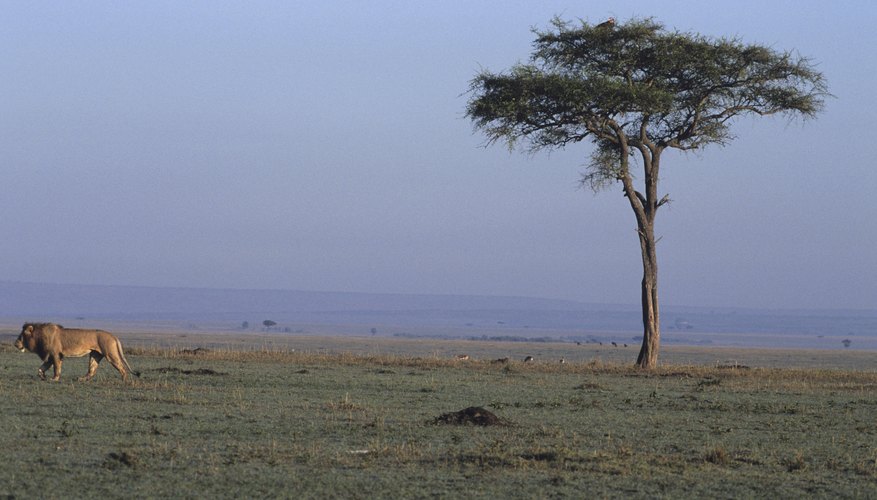
What Are Abiotic Factors of the Grassland Biome? | Sciencing
Grassland Biome Characteristics, Animal and Plant ... The Grassland Biome is a learning set containing 3-part cards, description cards, information posters, and research worksheets for students to learn about the temperate and tropical grassland biomes. Students will learn about the main characteristics of this ecosystem, animal and plant adaptations. The printable features photographic images.
Types of Ecosystems
Plant Adaptations | Survival Techniques + Biomes | Science4Fun The grass may be wild or green. Grasslands can survive in draughts and wildfire. Wildfires don't burn grass completely because their stems and buds remain underground. Therefore during wildfires, the upper part of plants may burn out but the lower parts get sustained which helps plants to regrow.
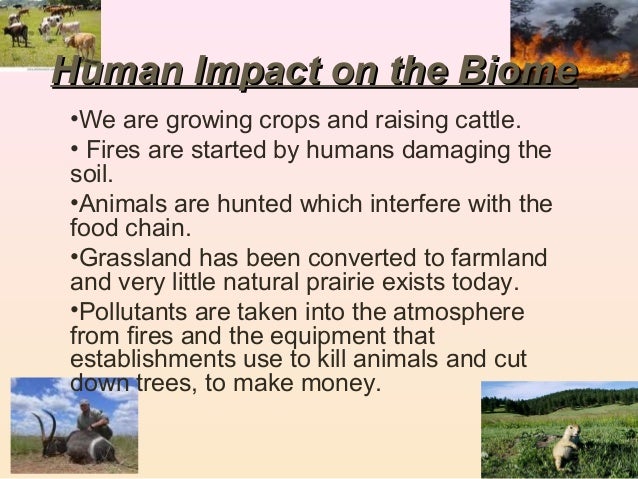
Completed temperate grassland presentation
Plants In Grassland Biomes - Weebly Many plants live in the grassland biome and many native plants have adopted to the biome. Due to the amount of rainfall and many fires that occur, most of the plants are different types of grasses. Some plants are tall as 7 feet where as others are short as 4 inches. This all depends on the location and the amount of rainfall received.
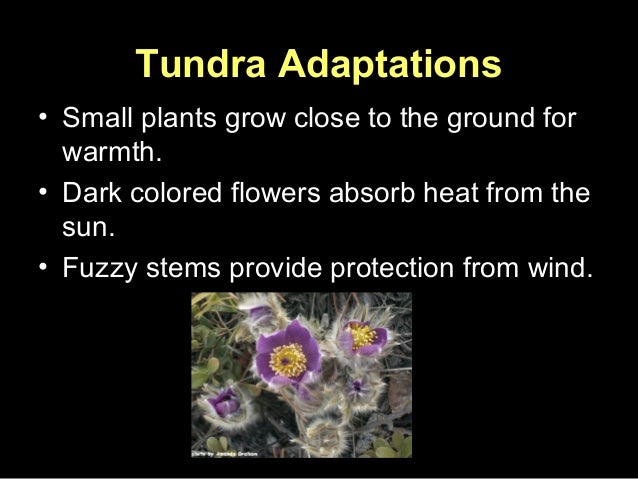
Plant adaptations
Grassland Animal Adaptations - Science Struck One has to also take a note of the amazing adaptations that the grassland biome plants boast of. These plants have an extensive root system which penetrates deep into the ground and absorbs water even during a drought.

Grassland Biome Animals And Plants – Idalias Salon
freshwater biome plants and adaptations - Useful Gardening ... Wetland Plant Adaptations. Figure 1. Saltmarsh cordgrass. Wetland plants live a tough life. They are often under water for significant periods of time, meaning that they are frequently deprived of oxygen. Wetland plants also need to remain stable in the soil if they deal with fast moving water that ebbs and flows. More › 76 People Used More Info ››
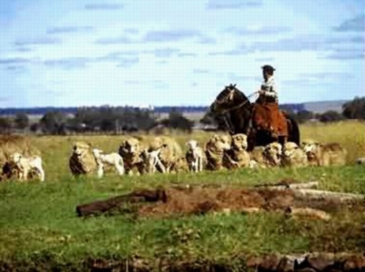
The Pampas
Plant Adaptations: Desert, Tropical Rainforest, Tundra ... A biome is a large area characterized by its vegetation, soil, climate, and wildlife. There are five major types of biomes: aquatic, grassland, forest, desert, and tundra, though some of these biomes can be further divided into more specific categories, such as freshwater, marine, savanna, tropical rainforest, temperate rainforest, and taiga.
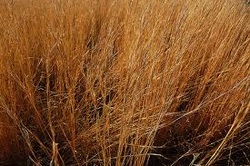
Unique Plant Adaptations - Biome: Savanna
Grassland Animals And Plants Adaptations Grassland plant adaptations include deep roots, narrow leaves and brightly colored flowers. Many grassland animals have skin shades of brown, which makes them hard to spot among the dry, brown grass. Temperatures vary with seasons with tornadoes, blizzards, and fires occurring in many temperate grassland regions.

Modification in Grassland Ecology under the Influence of Changing ...

Adaptations - Grassland Biome

APES Biome Book : simplebooklet.com
10 biomes

Temperate Grassland by erin gillespie

What Types of Trees Are Found in Grassland Biomes? | eHow
0 Response to "39 grassland biome plant adaptations"
Post a Comment