40 western pond turtle facts
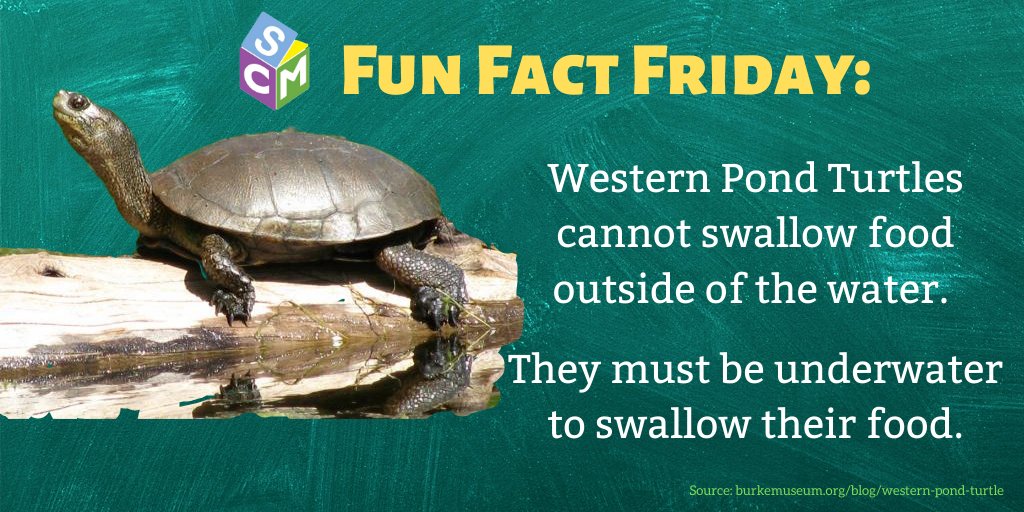
Western Pond Turtle: Ultimate Guide - Reptile Handbook The Western Pond Turtle, commonly referred to as the Pacific Pond Turtle, is a small to medium-sized freshwater species that belongs to the Emydidae family. It is regularly found along the Western Coast of the United States and Mexico. The carapace is a term used to describe a turtle's tough upper shell. In adult turtles, this tends to be ... Western Pond Turtle - Burke Museum Western pond turtles cannot swallow food in air, only in water. Western pond turtles are very shy and will often retreat into the water at the slightest disturbance. Threats Western pond turtles are more abundant in Oregon and California than they are in Washington, where they are considered endangered.
Western Pond Turtle - Coniferous Forest Western Pond Turtle. The western pond turtle is a small to medium freshwater turtle, found in ponds and streams. This reptile is generally brown or black in color on the upper shell and yellow and black on the lower one. They are found in the western coast of the United States and Mexico. The Canadian Species at Risk Act drafted in May 2002 has ...

Western pond turtle facts
Western Pond Turtle - CuriOdyssey Western pond turtles, also known as Pacific pond turtles, in northern regions of their range, appear to hibernate on the bottom of ponds in winter months. In southern regions they remain active year-round. What do Pond Turtles eat? Western pond turtles consume pods of yellow lily, water plants, insects, fish, worms, crustaceans, and carrion. Northwestern Pond Turtle - Actinemys marmorata The head, neck, and throat of the female Western Pond Turtle is mottled, with no red stripe behind the eye. The head of the male Western Pond Turtle is dark with no red stripe behind the eye, and the throat is white. © Grayson B. Sandy There is usually a prominent red stripe behind the eye of the Red-eared Slider. Western pond turtle - Washington Department of Fish & Wildlife In the 1990s, only two populations of western pond turtle remained in the Columbia River Gorge with estimates of less than 200 individuals. Because of recovery efforts, currently there are six populations with approximately 800 turtles. Many issues remain for the recovery of this species.
Western pond turtle facts. Western Pond Turtle | Conservation Program Western Pond Turtles are generalists. They eat aquatic plants, invertebrates, worms, frog and salamander eggs and larvae, crayfish, carrion, and sometimes frogs and fish. Western Pond Turtles generally mate in the spring. Females will travel to an upland terrestrial location to nest their clutch of eggs, typically between 1 and 13 in number. Western Pond Turtle — Turtle Bay During the summer, pond turtles can hold their breath for over 15 minutes. In winter, they are able to stay submerged much longer as they brumate, sometimes weeks or even months! Pond turtles migrate long distances, so if you see one away from water this is normal. Western Pond Turtle: 17 Facts You Won't Believe A western pond turtle is a small to medium sized reptile. Their length ranges between 6-9 in (15-22 cm). How fast can a western pond turtle move? Western pond turtles are slow movers on the land. But in the water can swim faster than a few fishes. How much does a western pond turtle weigh? Western Pond Turtle: Facts, Characteristics, Habitat and ... Characteristics of Western Pond Turtle The color of western pond turtle ranges between dark brown or olive. The size of their shell is ranges within 4.5 - 8.25 inches. The dorsal carapace portion might or might not have networks. However, they possess some lines on their shell.
TURTLES | The Wetlands Conservancy The western pond turtle is a small to medium-sized turtle found only on the west coast of the United States of America and Mexico, ranging from western Washington State to northern Baja California. While turtles have persisted for hundreds of millions of years from the time of the dinosaurs, they are now facing a modern extinction crisis ... Western Pond Turtle - Oakland Zoo Western pond turtles mate from May through August, with most females laying eggs in alternating years. Although the average age of maturity is between 8 and 14 years of age. Females deposit eggs in a nest they dig on land at night. After incubation, hatchlings leave the egg only if the temperature is below 81 degrees Fahrenheit. Natural history - Center for Biological Diversity NATURAL HISTORY. NORTHERN WESTERN POND TURTLE } Actinemys marmorata SOUTHERN WESTERN POND TURTLE } Actinemys pallida FAMILY: Emydidae. DESCRIPTION: The western pond turtle is a medium-sized turtle, reaching between 7 and 9 inches. Adult turtles have a yellowish belly, with dark blotches and black spots or lines found on top of their heads. Turtles in California [10 Different Species] - All Turtles The western pond turtle is the only freshwater species native to the state. It lives pretty much everywhere along the west coast where there are ponds, lakes, creeks, or other bodies of water.
Featured Stories | The rocks that swim - western pond turtles Although expert swimmers, western pond turtles can spend much of the year on land, hibernating during cold and hot weather (aestivating), nesting, or traveling between wetlands. Mature female turtles lay a clutch of eggs on land, leaving them to hatch and overwinter in the nest. Western Pond Turtle - One Tam The small numbers of western pond turtles ( Actinemys marmorata) seen at Muir Beach in the early 1990s are gone (PWA, 1994; Ely, 1993; Fong unpublished data, 2015), but years of monitoring on Marin Municipal Water District (MMWD) lands provides adequate data to understand how the remaining known populations of western pond turtles on Mt. Tam ... pond turtle | reptile | Britannica Found from southern Canada to southern California, it usually inhabits ponds and other quiet waters. It once was widely sold for food in California. The smooth, broad upper shell of the Pacific pond turtle is about 15-25 cm (6-10 inches) long and is brown or blackish with yellow spots and streaks. The lower shell is yellow and black. Western Pond Turtle - Wildlife Recreation and Coalition This agreement involves the acquisition of approximately 120 acres of habitat for western pond turtles in Skamania and Klickitat counties. Once common, the turtle is a state-listed threatened species, with few remaining locations. The project helps protect and preserve the species last known habitat sites in Washington. Quick Facts

Northern Western Pond Turtle - Actinemys marmorata
Pond Turtle: 17 Facts You Won't Believe! The western pond turtles possess sexual dimorphism, and interestingly the males have light or pale yellow throats. Their head and legs have dark shades and may have spots and they have webbed feet. The female turtle has a flatter shell and body and a dome-shaped belly.
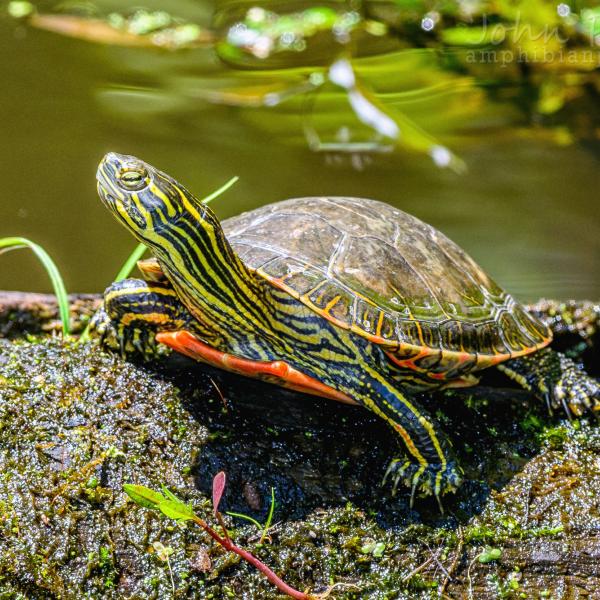
Turtles | Midpeninsula Regional Open Space District
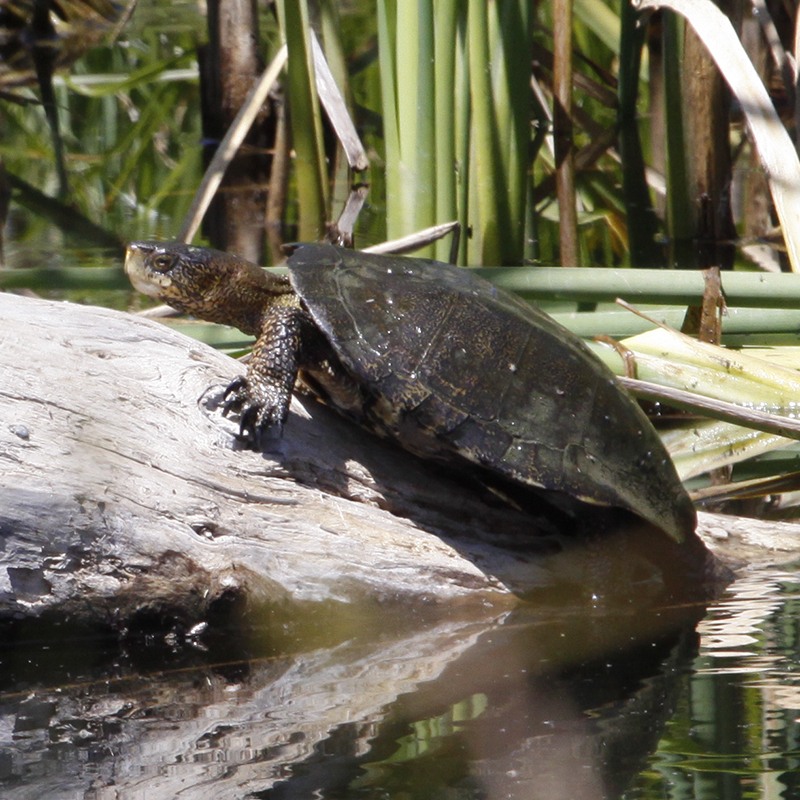
Western Pond Turtle - Facts, Diet, Habitat & Pictures on ... The Western pond turtle is a medium-sized turtle native to the western coast of the United States and Mexico. They are usually dark brown or dull olive in color, with or without darker reticulations or streaking. The plastron is yellowish, sometimes with dark blotches in the centers of the scutes.

CalPhotos: Actinemys marmorata; Western Pond Turtle Habitat
Spotted, Wood, Bog and Western Pond Turtle Care Sheet The Western Pond Turtle (Emys marmorata) is the most aquatic of the group. They are found in ponds, mountain streams, and in some areas is found in brackish coastal pools. They are very cosmopolitan in their tastes and will feed on fish, insects, worms, and even aquatic vegetation.

UC Davis, CDFW and USFWS team up to assess western pond ...
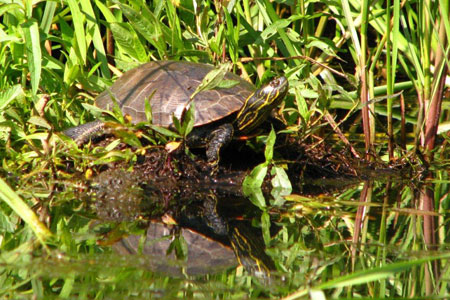
Western Pond Turtle Facts for Kids - NatureMapping Western pond turtles can potentially live to be 50 years old Birds, fish and the introduced American bullfrog are predators of these small turtles. Western pond turtles use their webbed feet for swimming underwater. Western Pond Turtle (photo by Chris Brown) More Information:

Western Pond Turtle Research from The Nature Conservancy Nevada
A Record Year for Western Pond Turtle Reintroductions (U.S ... A Record Year for Western Pond Turtle Reintroductions. In September, park staff and scientists released a total of 41 juvenile western pond turtles in Golden Gate National Recreation Area, including 20 in Rodeo Lake (pictured), 14 in the Redwood Creek watershed, and seven in ponds near the Tomales Bay Trail.

Northern Western Pond Turtle - Actinemys marmorata
Western Pond Turtle [Species Overview] - All Turtles Interesting facts about Western pond turtles Western Pond Turtle (actinemys marmorata) sitting on rock The second part of its scientific name, marmorata, means marbled. Female Western pond turtles often have heavy patterns on their carapace. You can recognize a male Western pond turtle by its light to pale yellowish throat.

Western painted turtle | Oregon Zoo
Western Pond Turtle Rescue - California Department of Fish ... The western pond turtle, Actinemys marmoratais the only remaining freshwater turtle species native to California. The species formerly ranged from western Washington and British Columbia to northern Baja, California, with a few isolated populations along the Carson and Truckee rivers in Nevada and the Mojave River (Ernst et al., 1994).

Western pond turtles | Oregon Zoo
Western Pond Turtle Facts - NatureMapping Western pond turtles can potentially live to be 50 years old Birds, fish and the introduced American bullfrog are predators of these small turtles. Western pond turtles use their webbed feet for swimming underwater. Western Pond Turtle (photo by Chris Brown) More Information:
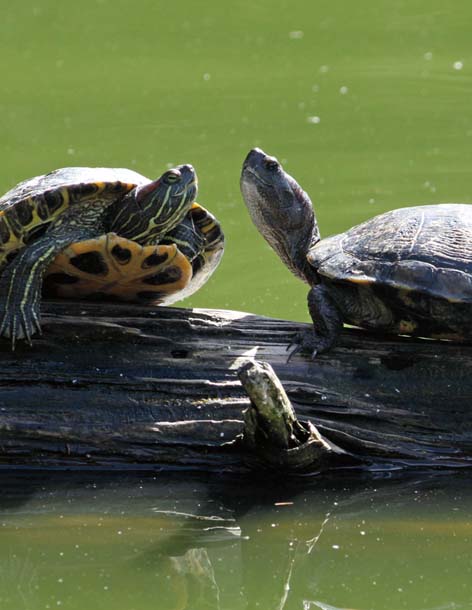
Native Son -
Western Pond Turtle - Cat and Exotic Care Western Pond Turtle As a child I was enthralled with reptiles, mesmerized by the unending stare of a snake and the myriad geometric patterns and colors of turtle and lizard scales. I would spend hours trekking through nearby fields and streams in search of all things slimy and scaly- a habit I never grew out of.

Oregon Zoo releases 23 endangered western pond turtles back ...
Western pond turtle - Wikipedia The Western Pond Turtle ( Actinemys marmorata ), also known commonly as the Pacific pond turtle is a species of small to medium-sized turtle in the family Emydidae. The species is endemic to the western coast of the United States and Mexico, ranging from western Washington state to northern Baja California.
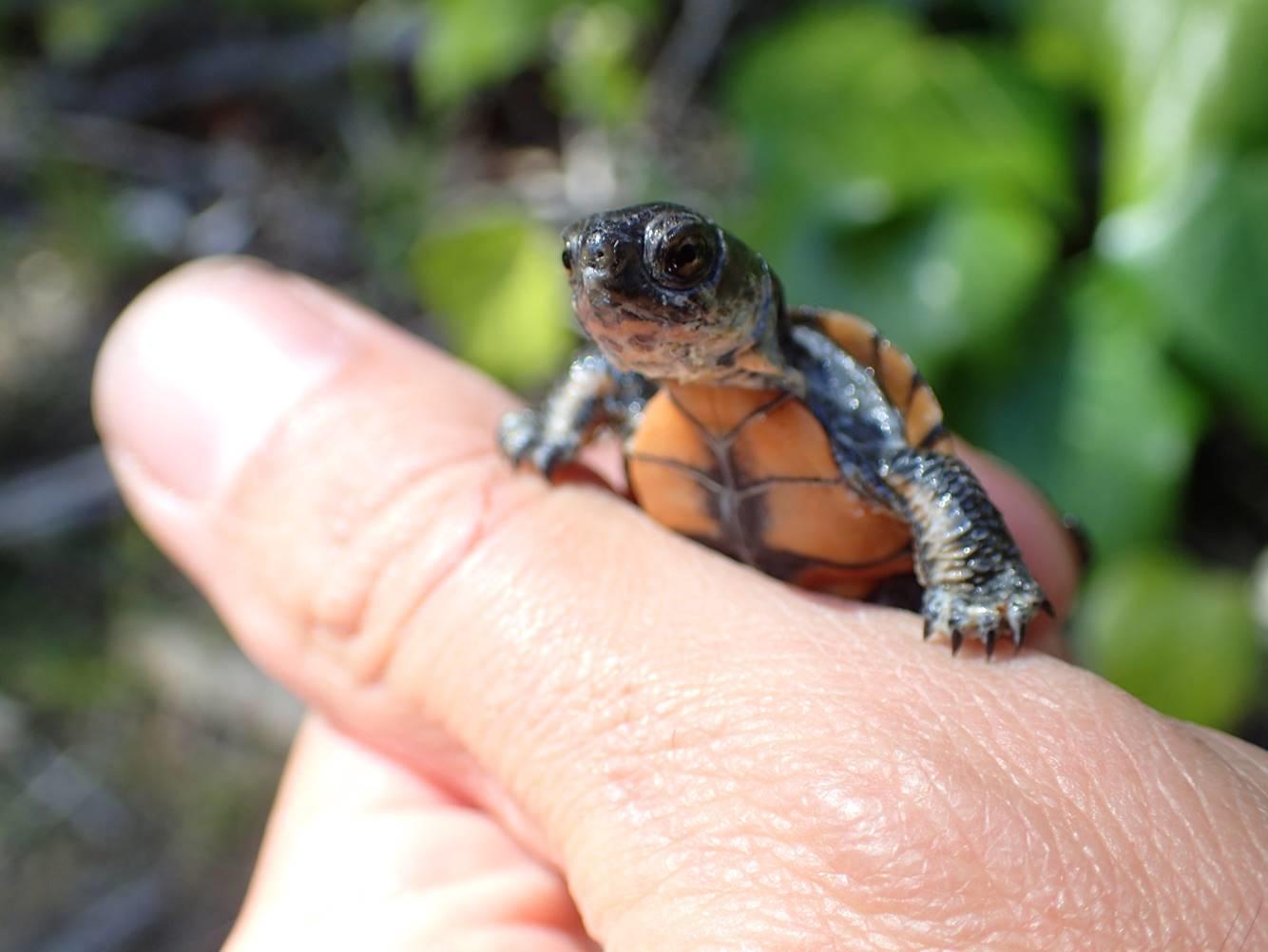
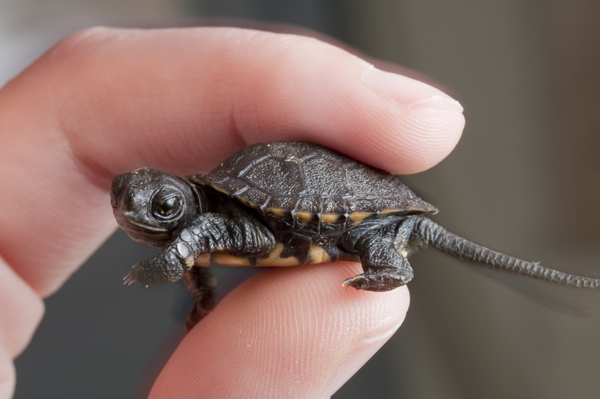
Adorable baby Western pond turtle discovered at S.F. lake in ...
Western pond turtle - Washington Department of Fish & Wildlife In the 1990s, only two populations of western pond turtle remained in the Columbia River Gorge with estimates of less than 200 individuals. Because of recovery efforts, currently there are six populations with approximately 800 turtles. Many issues remain for the recovery of this species.

Let's Talk About Turtles! Western Pond Turtles and More
Northwestern Pond Turtle - Actinemys marmorata The head, neck, and throat of the female Western Pond Turtle is mottled, with no red stripe behind the eye. The head of the male Western Pond Turtle is dark with no red stripe behind the eye, and the throat is white. © Grayson B. Sandy There is usually a prominent red stripe behind the eye of the Red-eared Slider.

Lake County News,California - The Living Landscape: The ...
Western Pond Turtle - CuriOdyssey Western pond turtles, also known as Pacific pond turtles, in northern regions of their range, appear to hibernate on the bottom of ponds in winter months. In southern regions they remain active year-round. What do Pond Turtles eat? Western pond turtles consume pods of yellow lily, water plants, insects, fish, worms, crustaceans, and carrion.
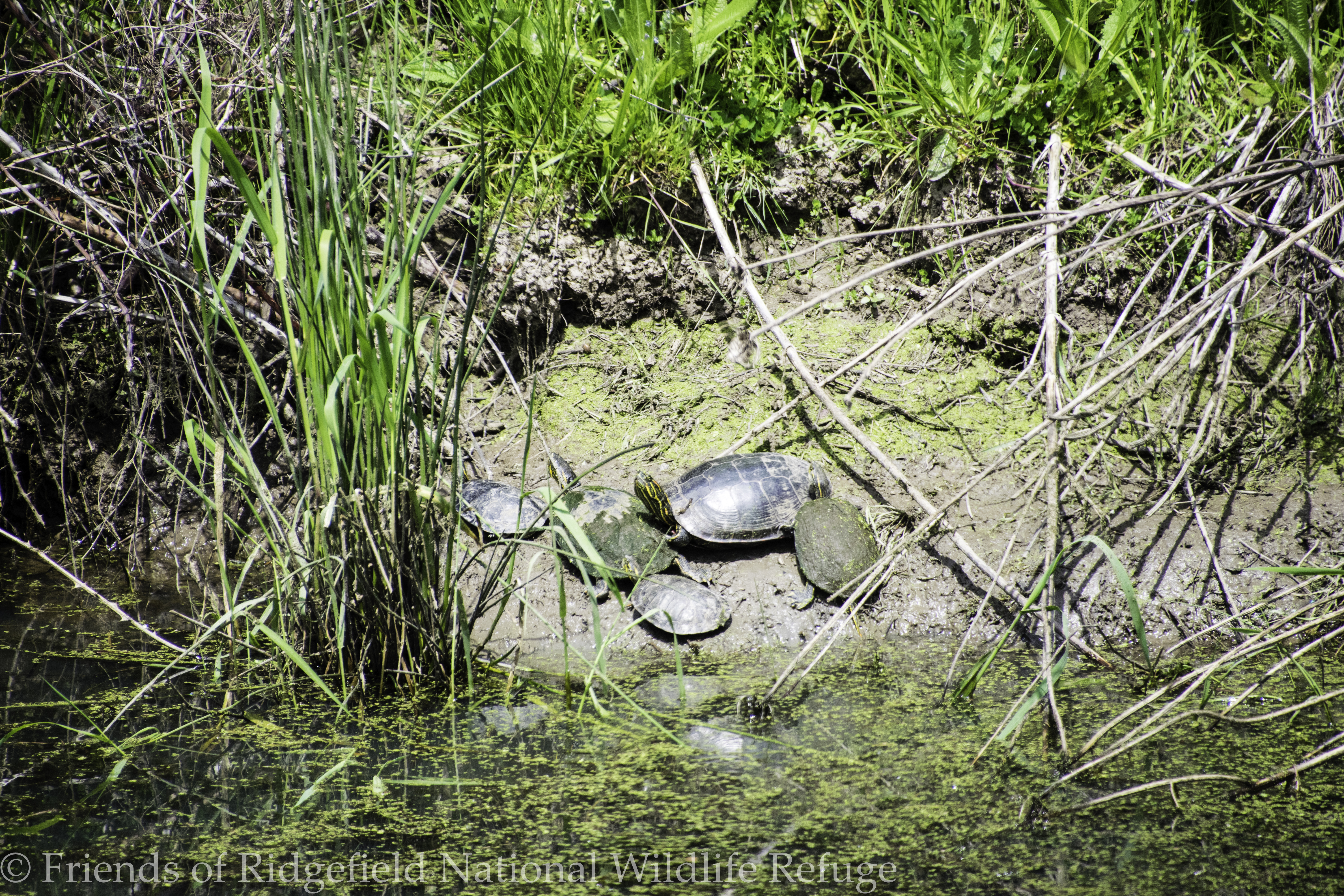
Pierce Pond Turtle Habitat Restoration Work Party! - Friends ...
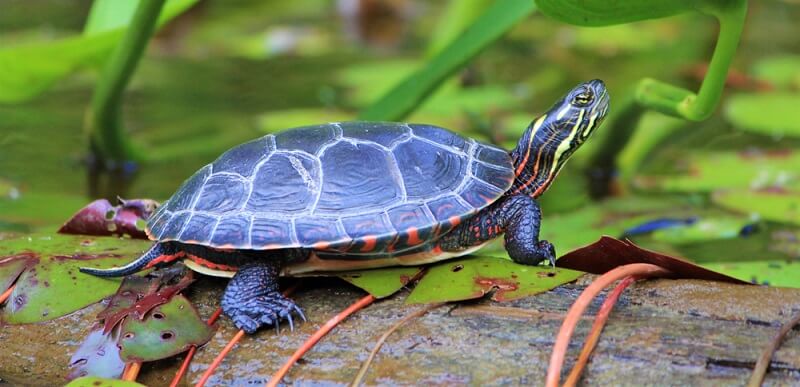
Painted Turtle - Facts and Beyond | Biology Dictionary
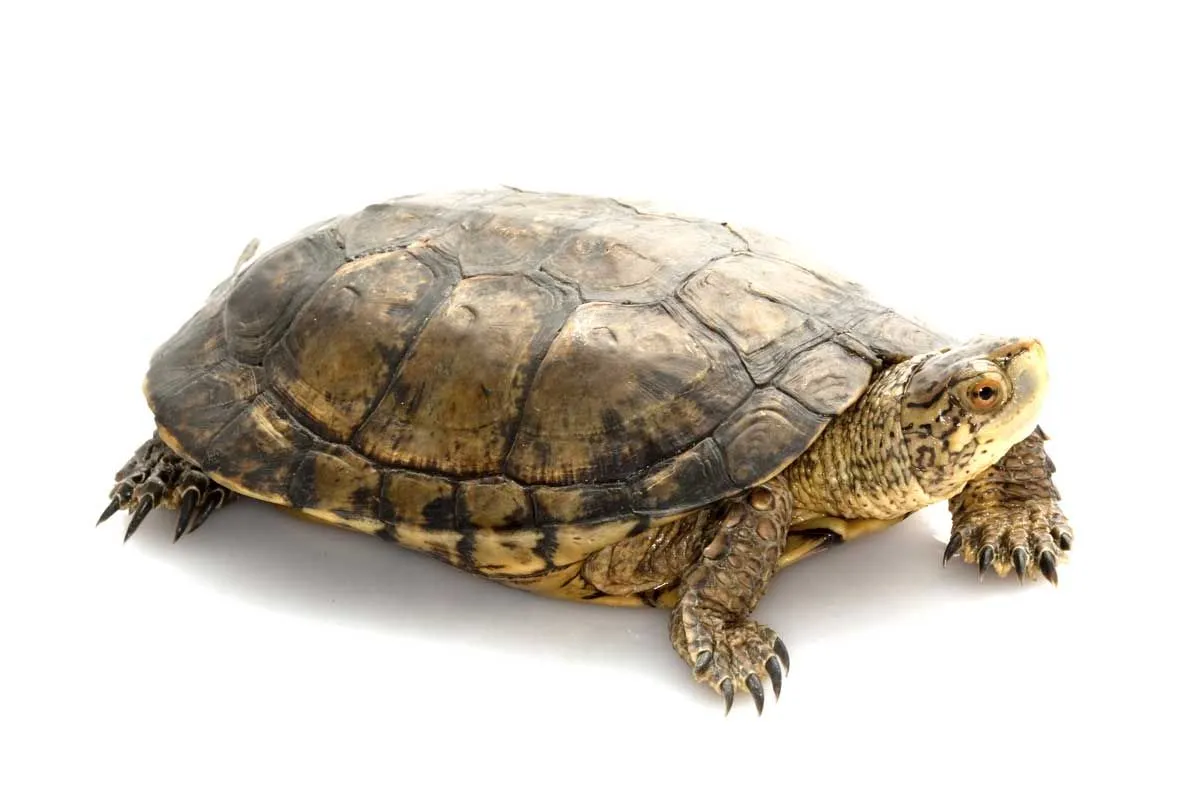
Western Pond Turtle: 17 Facts You Won't Believe

Western Pond Turtle Research from The Nature Conservancy Nevada

Oakland Zoo

21 Turtl-ey Awesome Facts About The Pacific Pond Turtle For Kids

Western Pond Turtle — Turtle Bay

A Record Year for Western Pond Turtle Reintroductions (U.S. ...
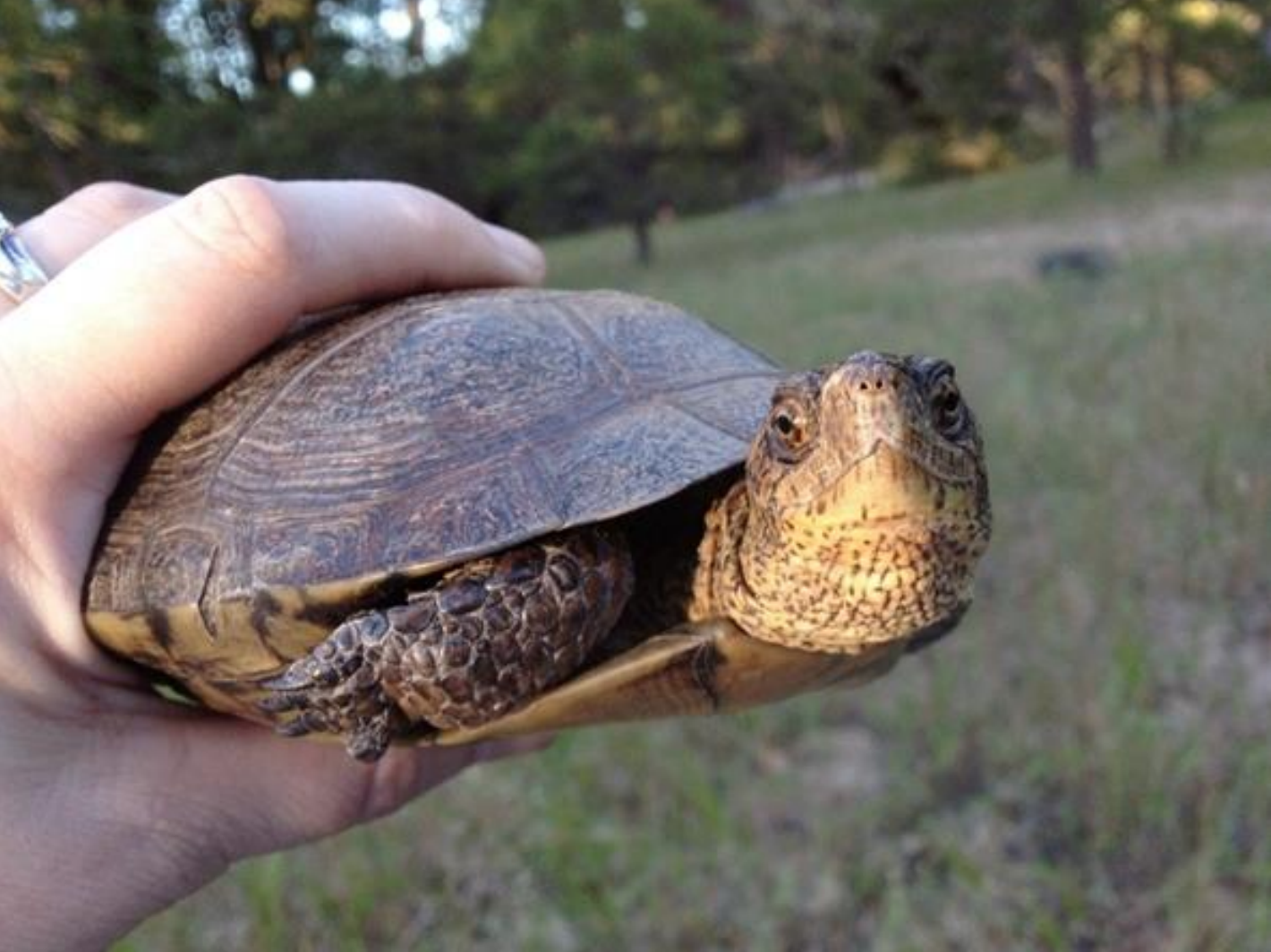
Impact of invasive species on the western pond turtle ...
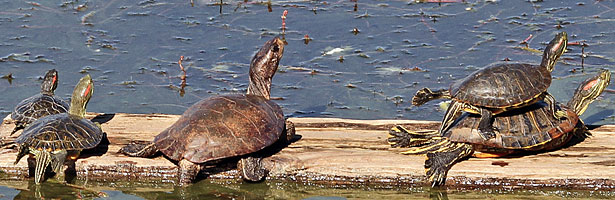
Northwestern Pond Turtle - Actinemys marmorata
Turtle Pond Float — an Outdoor Classroom wildlife habitat ...
Seattle Children's Museum on Twitter: "Have you ever tried ...

Western Pond Turtle — Turtle Bay

Odum School of Ecology - Turtle Species Decline May Impact ...
Western Pond Turtle | Oregon Wild
Western Painted Turtle Facts - NatureMapping

County-wide survey yields no trace of rare native turtle ...

Northern Western Pond Turtle - Actinemys marmorata
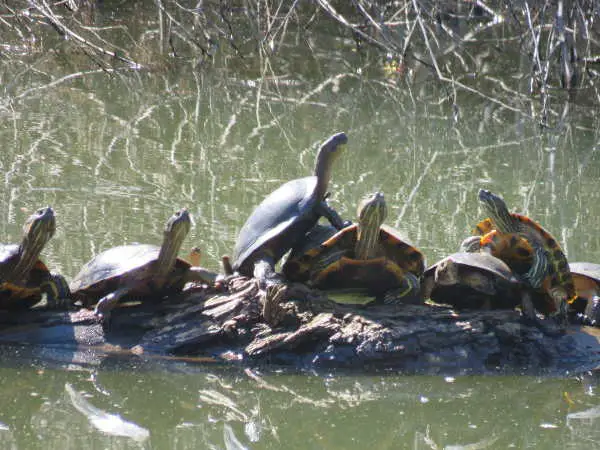
Lake County News,California - The Living Landscape: The ...

Painted Turtle Facts and Pet Care Guide | LoveToKnow

It's turtle-watching time in the Willamette Valley

Western Pond Turtle - Santa Monica Mountains National ...

European Pond Turtle - Facts, Diet, Habitat & Pictures on ...

Featured Stories | The rocks that swim – western pond turtles
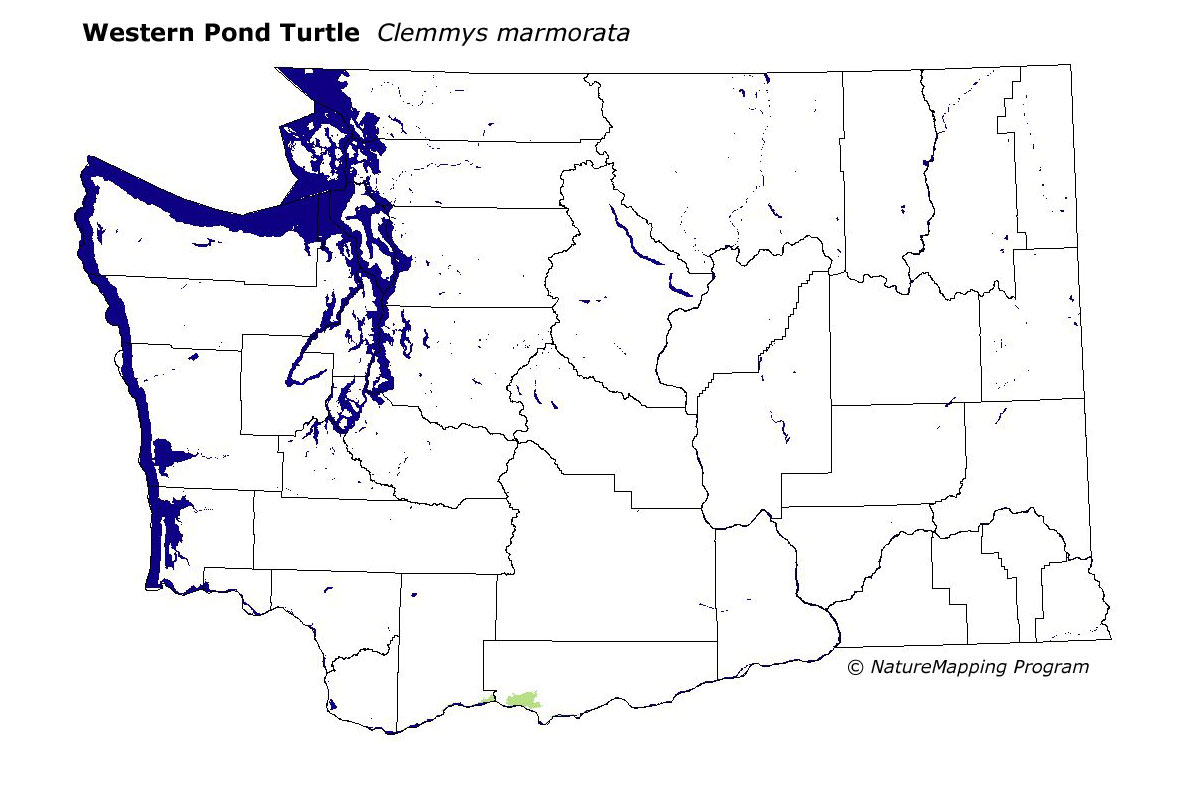
Western Pond Turtle Facts - NatureMapping
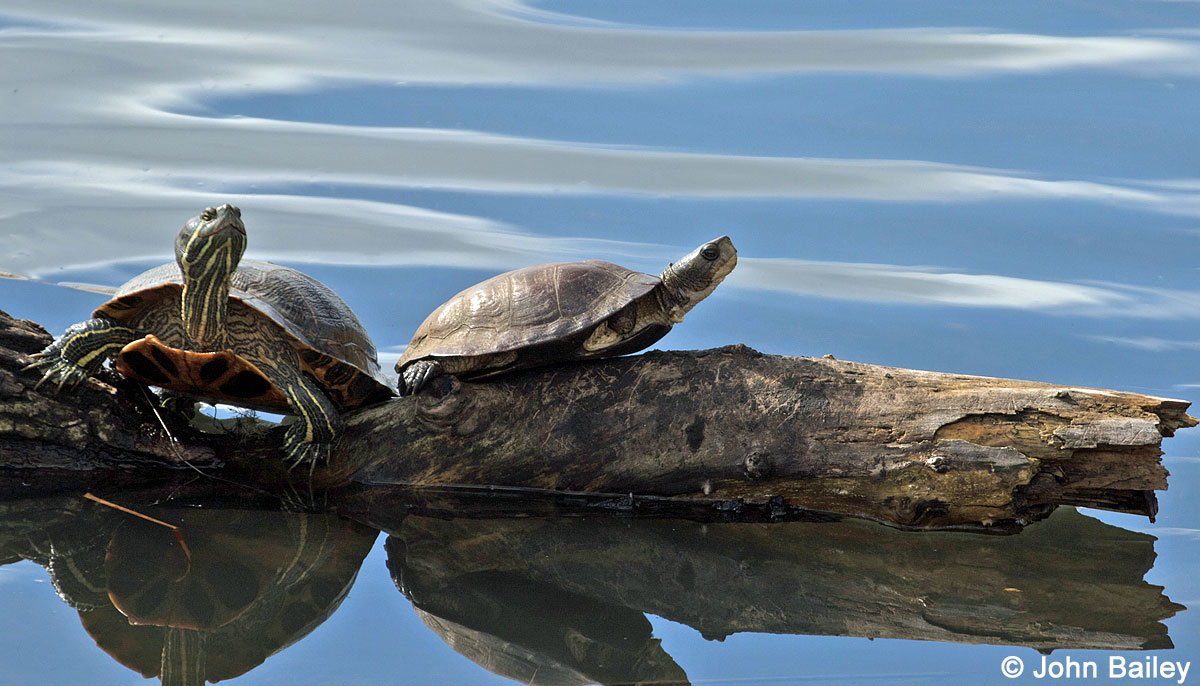
Northwestern Pond Turtle - Actinemys marmorata
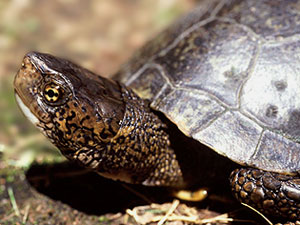
Western Pond Turtle Facts - NatureMapping
0 Response to "40 western pond turtle facts"
Post a Comment